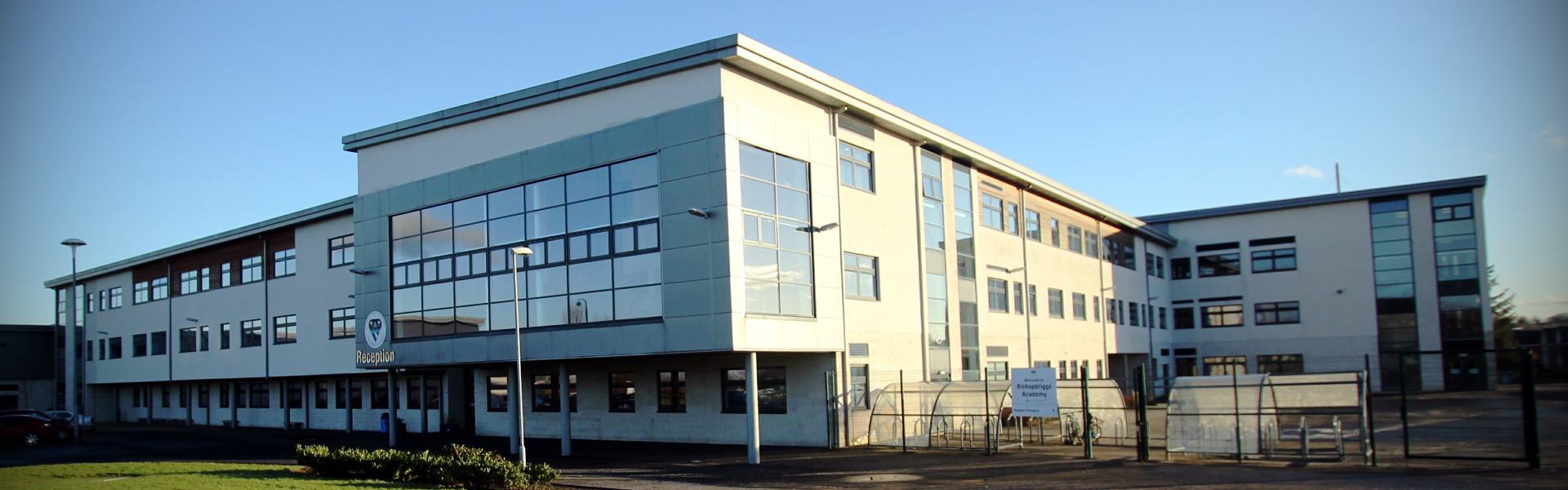
Building Future Pathways at Bishopbriggs Academy
Using LMI to inform curriculum development.
The Challenge
Like many schools, Bishopbriggs Academy sought to ensure that its curriculum remained relevant to changing labour market needs while providing learners with meaningful opportunities to develop skills, qualifications, and aspirations for the future.
The Approach
Working with labour market information and Skills Development Scotland, the school undertook a three-year curriculum review. The process involved:
- Auditing existing curriculum provision.
- Mapping qualifications against workforce demand.
- Identifying gaps in learner opportunities.
- Engaging staff, learners, and partners in curriculum redesign.
The review led to the introduction of a range of new courses including: Social Services, Music Technology, Musical Theatre, Acting and Performance, Mental Health and Wellbeing, Barista Skills, Construction Pathways (with New College Lanarkshire)
Alongside this work, the school introduced a team of Pathway Ambassadors who helped promote awareness of educational and career pathways through posters, podcasts, interviews, events, and parental engagement activities.
These courses were designed to reflect both learner interests and emerging employment opportunities.
Watch the following videos to hear from the staff and pupils at the school about their experience.
Deputy Head Teacher, Claire Kerr, explains the strategic approach to curriculum development, driven by self-evaluation, Skills Development Scotland (SDS) input, and labour market information (LMI). The school has expanded its offer significantly to ensure relevance and alignment with employer demand, ensuring that:
- Curriculum is continuously evolving to stay relevant and engaging.
- Labour market intelligence (LMI) is used to identify skills gaps and inform decisions.
- Strong alignment between education provision and economic demand.
- Introduction of new, vocational and creative courses (e.g. construction, mental health, performance).
- Collaboration across staff and roles is critical to implementation.
- Aim is to support positive and sustained destinations for all learners.
- Focus on meta-skills development for long-term success.


PT Pathways, Cameron Carey, discusses the importance of connecting education with industry and ensuring that young people develop skills that meet current and future workforce demands.
The video focuses on employer engagement, skills development, and creating meaningful pathways between education and employment. It highlights the value of collaboration between schools, employers, and external partners highlighting:
- Strong employer-school partnerships.
- Focus on employability and skills development.
- Real-world relevance of learning.
- Better preparation for future careers.
- Support for informed career decision-making.
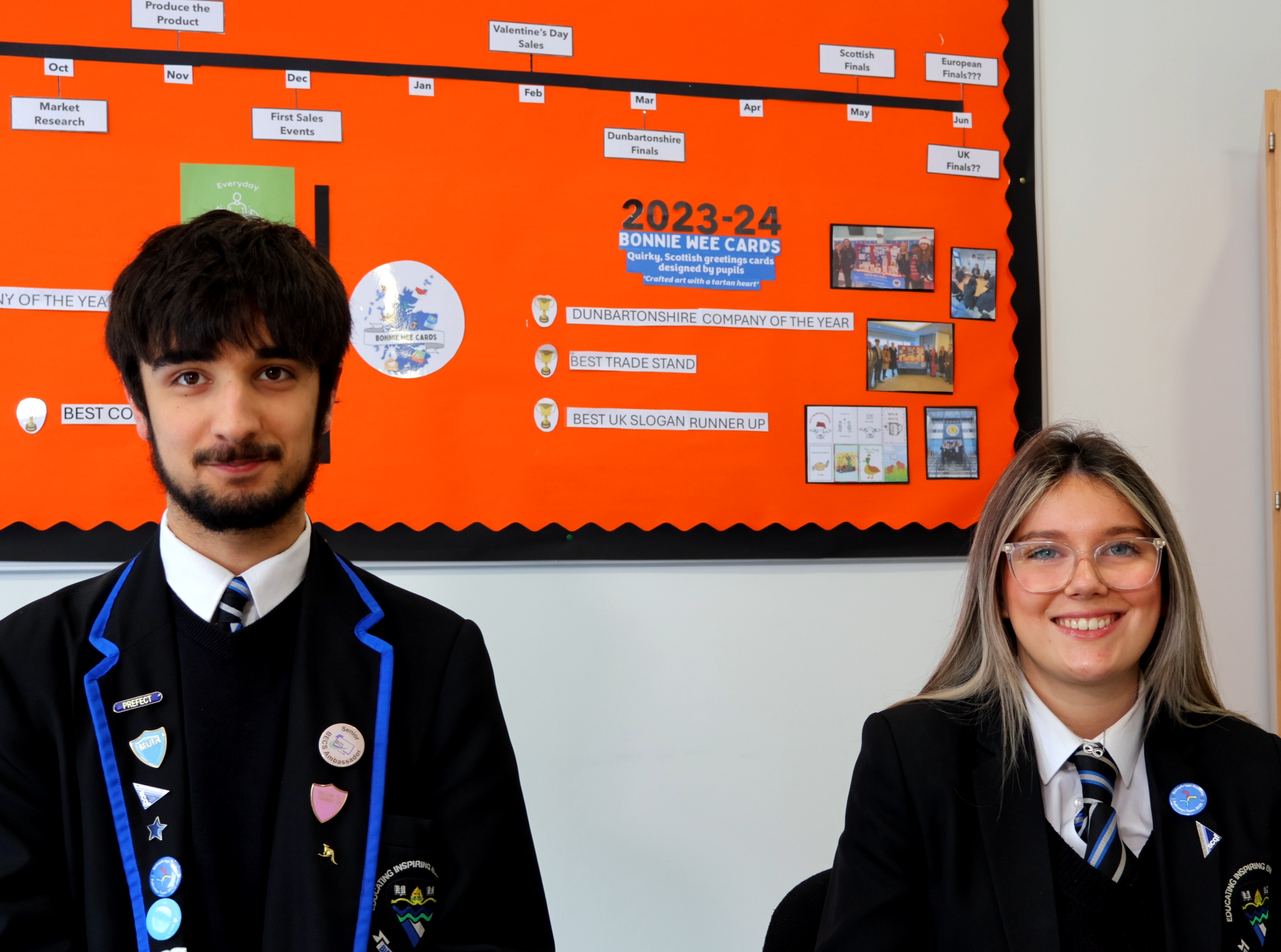
Abdallah and Caitlin, Pathway Ambassadors at the school, explain how they help fellow students and parents understand subject choices, qualifications, and future career pathways.
The pupils discuss their role in promoting career awareness throughout the school. They describe creating pathway posters, conducting interviews, contributing to podcasts, and engaging with parents during information evenings, all of which contributes to:
- Student-led careers promotion.
- Visual career pathway resources.
- Increased awareness of newer qualifications.
- Peer-to-peer support for subject choices.
- Greater understanding of how subjects connect to careers.
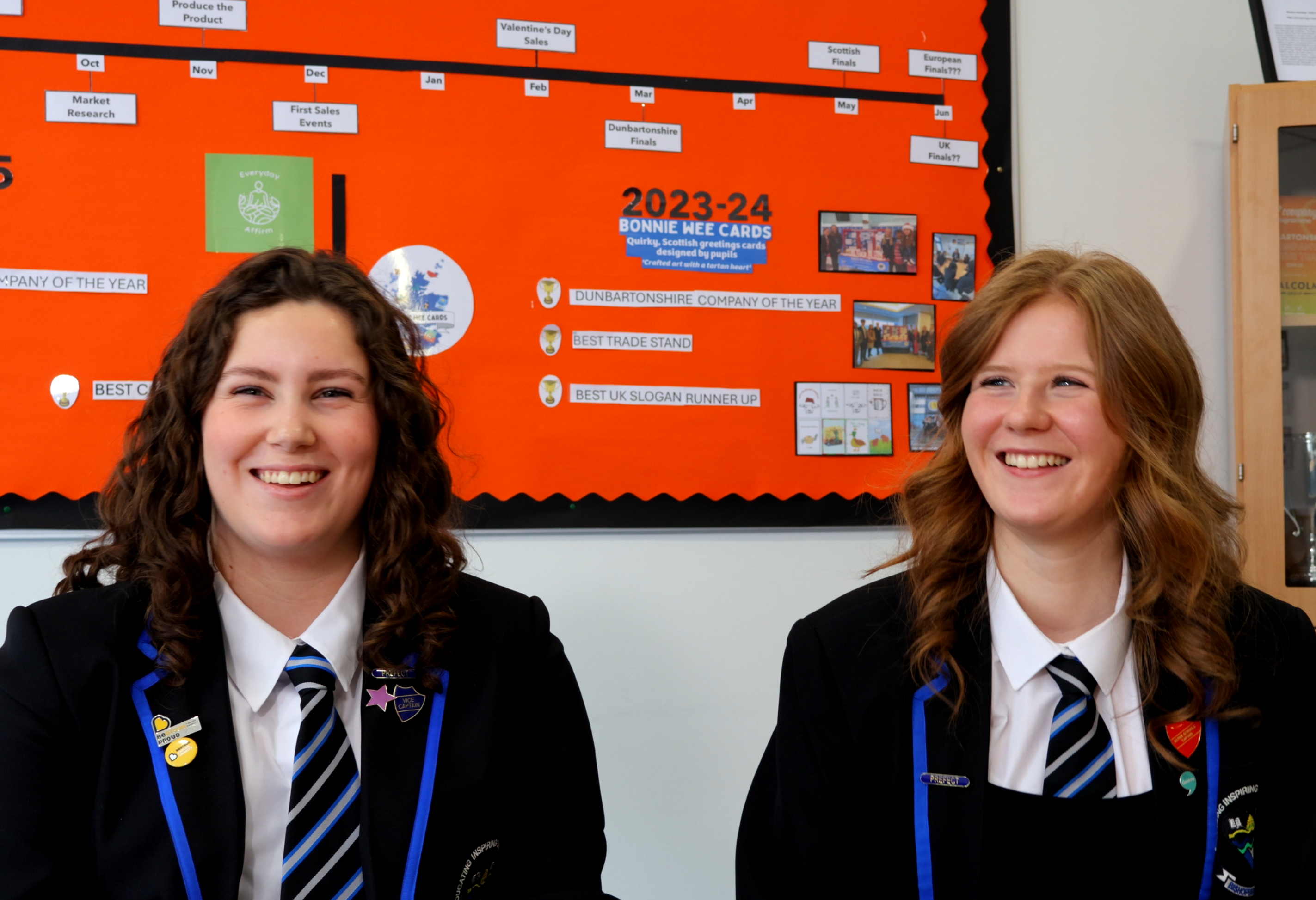
Olivia and Eimear, current pupils, share personal experiences of choosing pathway courses and explain how these opportunities have helped them discover interests, develop skills, and plan their futures.
Students discuss the practical benefits of the new courses, highlighting increased engagement, confidence, and understanding of potential career options. The video demonstrates the direct impact of curriculum innovation on learners such as:
- Positive learner experiences.
- Increased engagement through practical learning.
- Better understanding of career options.
- Development of transferable skills.
- Greater confidence in future planning.
Impact
More than 150 learners annually participate in the new pathway courses. Pupils report greater awareness of career opportunities, increased engagement in learning, and improved confidence when making subject and pathway decisions.
Lessons Learned
The project demonstrates the value of combining labour market information, curriculum flexibility, learner voice, and employer engagement to create a future-focused educational experience.
Bishopbriggs Academy has developed a sustainable model for curriculum innovation that prepares learners for a rapidly changing world while maintaining strong learner engagement and achievement.
Contact the Education Team
Contact the Education team to discuss your requirements and how we can support you in your ambitions around career education.
Email the Education Team