Procast apprentices fuelling Scotland’s low carbon future
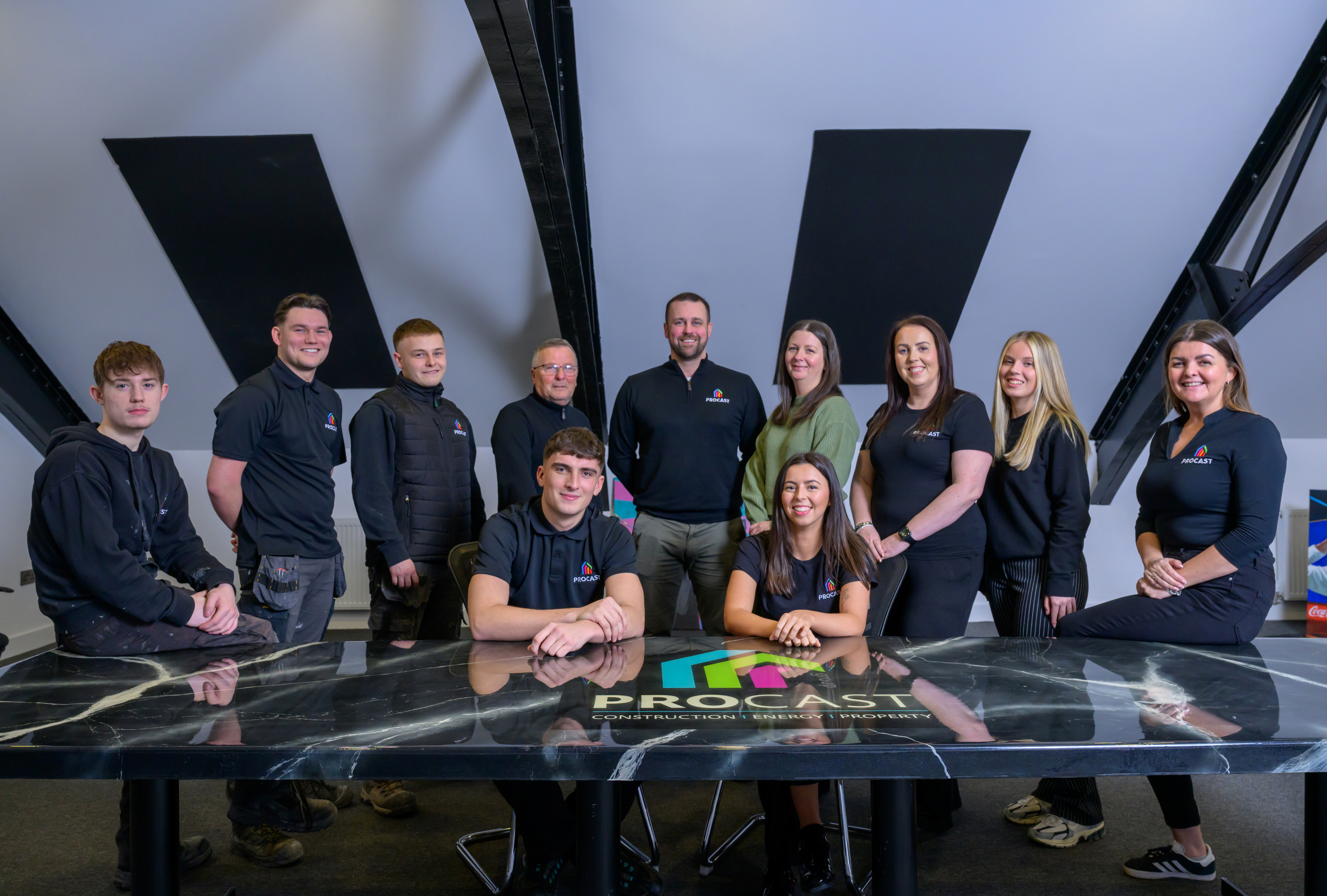
Apprenticeships at full turnkey construction firm Procast Group are powering growth, saving money and creating a renewable source of talent to fuel Scotland’s low-carbon future.
Through apprenticeships, the Hamilton-based firm has strengthened workforce capacity, providing a pipeline of skilled specialists to take on larger and more complex contracts, including multi-million-pound social housing programmes.
Apprenticeships have reduced reliance on agency labour, improving quality control and cutting costs. Apprentices consistently outperform externally contracted tradespeople in quality metrics, defect rates and client satisfaction, having been trained to exacting standards from the outset.
Procast Support Services Director Kirstie Adams said: “Scotland's construction industry faces a genuine skills crisis.
“An ageing workforce, combined with the scale of work needed to meet net zero targets and address housing demand, means we need thousands more skilled workers than we currently have and we believe apprenticeships can help address this.
“Some of our most experienced tradespeople were approaching retirement and rather than compete for an ever-shrinking pool of qualified staff, we decided to grow our own through apprenticeships. Our managing director started as an apprentice himself.
“Apprenticeships don’t simply fill workforce gaps, they nurture talent that will drive innovation in sustainable construction and renewable energy. By training the next generation exclusively in low-carbon construction methods, we're futureproofing both our business and the industry's capacity to deliver the green transition.”
With a 150-strong workforce, Procast has employed 100 apprentices, with 10 Modern Apprentices currently working across electrical installation, plumbing, joinery, renewable energy systems, administration and finance.
Apprenticeship completion rates are above industry averages at 85%, with retention exceeding 70% beyond qualification. Many former apprentices now hold senior roles or have progressed to university, while others have established specialist divisions, including retrofit assessment and renewable energy design.
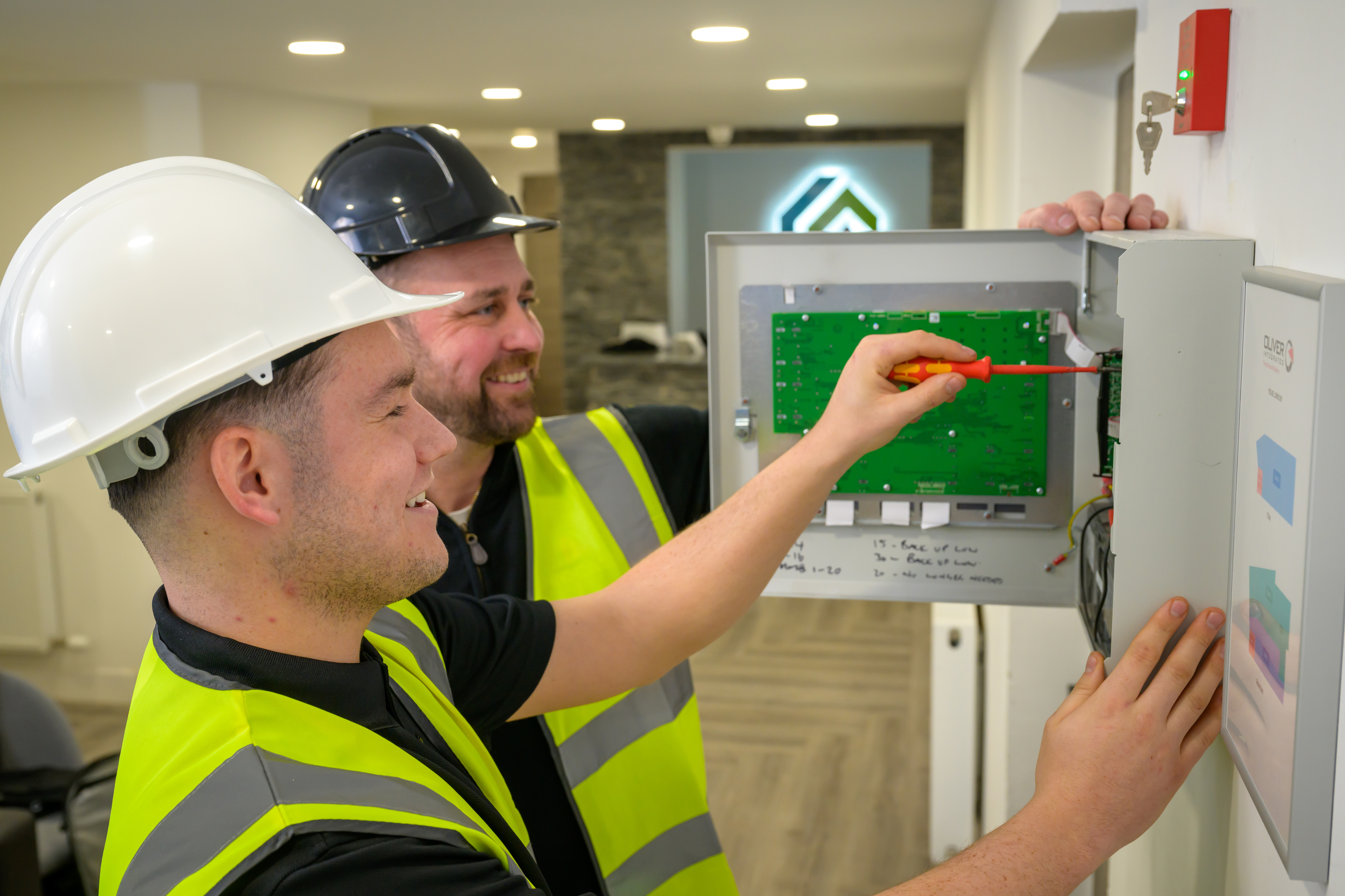
Procast apprentices receive training in renewable technologies, retrofit principles and energy efficiency, embedding green skills as standard. Engineering apprentices gain hands-on experience across solar PV systems, air-source heat pumps, and fabric improvement measures, becoming experts in decarbonisation technologies essential to achieving net zero targets.
Training is tailored to live project demands, with site-based learning, college attendance, mentoring and in-house training on regulatory compliance, specialist software, commercial awareness and low-carbon construction techniques. Degree-level progression is supported for high-potential apprentices.
Kirstie believes apprentices bring energy and curiosity: “Apprentices are often more comfortable with digital tools and new technologies and bring fresh eyes. When someone asks, ‘Why do we do it this way?’ it forces us to explain or acknowledge there might be a better approach, and that questioning mindset keeps us sharp and open to improvement.”
The firm also challenges construction stereotypes, employing female apprentices across traditionally male-dominated trades, including electrical installation and heating engineering, and ensuring inclusive site environments.
Recruitment targets underrepresented communities and young people facing disadvantage, while apprentices take part in community projects and fuel-poverty initiatives, helping them understand sustainability's social dimension alongside the technical side.
The firm has removed barriers by offering flexible working arrangements for those with caring responsibilities, additional support for those requiring literacy or numeracy development, and financial help with travel and equipment costs. Apprenticeships have also created a mentoring dynamic that gives senior staff pride and purpose.
Procast plans to double its apprentice intake over the next three years, focusing on roofers, joiners, building-performance evaluators, heat-pump engineers and retrofit coordinators.
Mentorship will be formalised and investment in training facilities will allow apprentices to practice installations, fault-finding and commissioning in controlled environments before moving to live sites. Levy-sharing arrangements will support smaller subcontractors to employ apprentices, strengthening the supply chain while contributing to wider industry skills development.
Apprenticeships are working for Scotland by creating careers and enabling people to reach their potential, supporting employers to develop and grow their workforce and getting real returns for the economy.
There are currently around 12,000 apprentice employers in Scotland, investing in over 40,000 Foundation, Modern and Graduate Apprentices.
Kirstie said: “Apprenticeships create local employment opportunities, keeping skilled young people in their communities rather than forcing them to move elsewhere for work.
“Apprenticeships also offer an alternative to university that leads to equally rewarding careers without student debt and ensures that essential skills – the ability to build and maintain the homes, schools and hospitals we all depend on – continue to be passed down.”
Procast Group received the SME Employer of the Year award, sponsored by SSEN Transmission, at the Scottish Apprenticeship Awards 2026 in association with SP Energy Networks.